
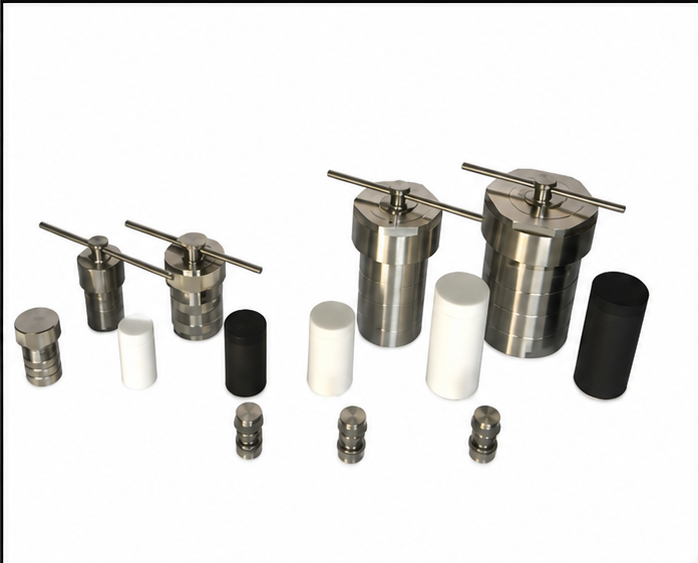
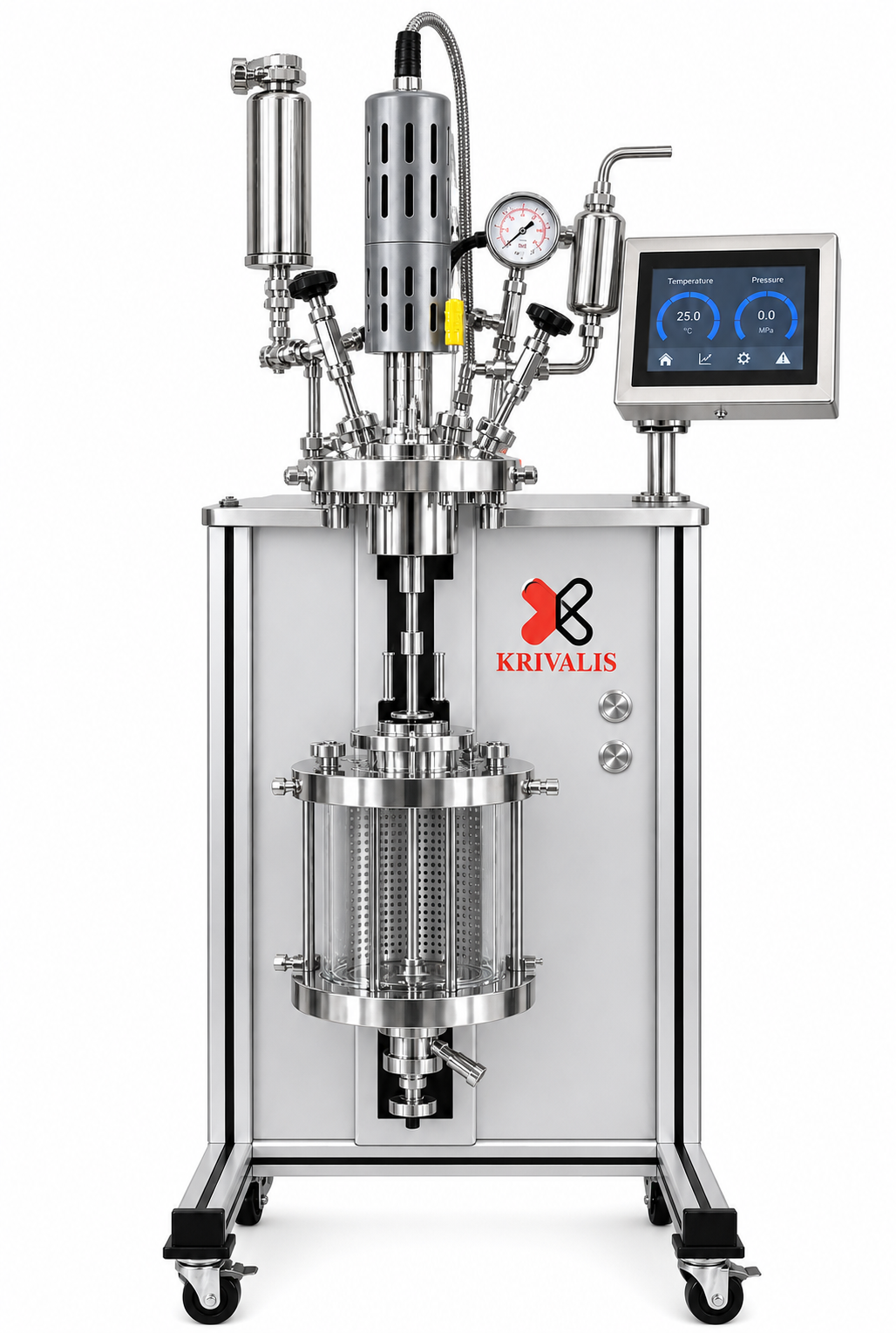
Microwave High Pressure Synthesis Reactor
Category: Lab Reactors
Microwave High Pressure Synthesis Reactor accelerates high-pressure synthesis using controlled microwave heating for rapid, repeatable reaction development.
Technical Specifications
| Capacity | 100ml |
| Microwave Frequency | 2450MHz |
| Microwave Power | ≥1000W (adjustable) |
| Temp Range | 0°C to 260°C |
| Pressure Range | 0 to 10 MPa |
| Material | PEEK outer tank, PTFE inner tank |
| Features | PID temperature control, online pressure display, overpressure protection |
📌 Applications
- microwave synthesis
- organic chemistry
- materials research
- hydrothermal reactions
🏭 Industries
- pharmaceuticals
- chemicals
- materials
- academic research
⚙️ Use Cases
- rapid synthesis
- reaction screening
- accelerated materials preparation
✅ Advantages
rapid volumetric heating and programmable control versus conventional external heating
Prices are project-specific: materials, size and instrumentation change the configuration. Send your operating conditions and we will reply with a technical proposal — sales@krivalis.com · +91-74000-43303.
Downloads for the Microwave High Pressure Synthesis Reactor
Take the specification with you: the PDF brochure, the full range brochure, and the buying guide that explains how this equipment is selected.
Microwave High Pressure Synthesis Reactor
Overview, applications, technical specifications and the enquiry checklist in one PDF.
High-Pressure Laboratory Reactors
High-pressure, glass and specialty reactors engineered for controlled, repeatable chemistry - from 25 ml micro-autoclaves to 500 L pilot systems.
High Pressure Reactor Buying Guide
How to choose between materials, sizes, pressure classes and control options — with the trade-offs explained.
Microwave High Pressure Synthesis Reactor — questions and answers
What is the Microwave High Pressure Synthesis Reactor used for?
Microwave High Pressure Synthesis Reactor accelerates high-pressure synthesis using controlled microwave heating for rapid, repeatable reaction development. Typical applications include microwave synthesis, organic chemistry, materials research, hydrothermal reactions.
What are the key specifications of the Microwave High Pressure Synthesis Reactor?
Capacity: 100ml; Pressure Range: 0 to 10 MPa; Temp Range: 0°C to 260°C; Material: PEEK outer tank, PTFE inner tank. Full specifications and configuration options are confirmed on the quotation.
Which industries use the Microwave High Pressure Synthesis Reactor?
It is used in pharmaceuticals, chemicals, materials, academic research. Krivalis supplies this equipment to laboratories, universities and manufacturers in India and more than 120 countries.
How do I get a price for the Microwave High Pressure Synthesis Reactor?
Send your application details, operating conditions and any compliance requirement to sales@krivalis.com or call +91-74000-43303. Krivalis replies with a technical proposal and a formal quotation; prices are project-specific because materials, sizes and instrumentation vary.
Is there a downloadable brochure for the Microwave High Pressure Synthesis Reactor?
Yes. A PDF brochure with the overview, typical applications, technical specifications and enquiry checklist is available on this page and in the Krivalis brochure library.
Browse the full Lab Reactors range, or see all brochures for downloadable specifications.
Related Lab Reactors
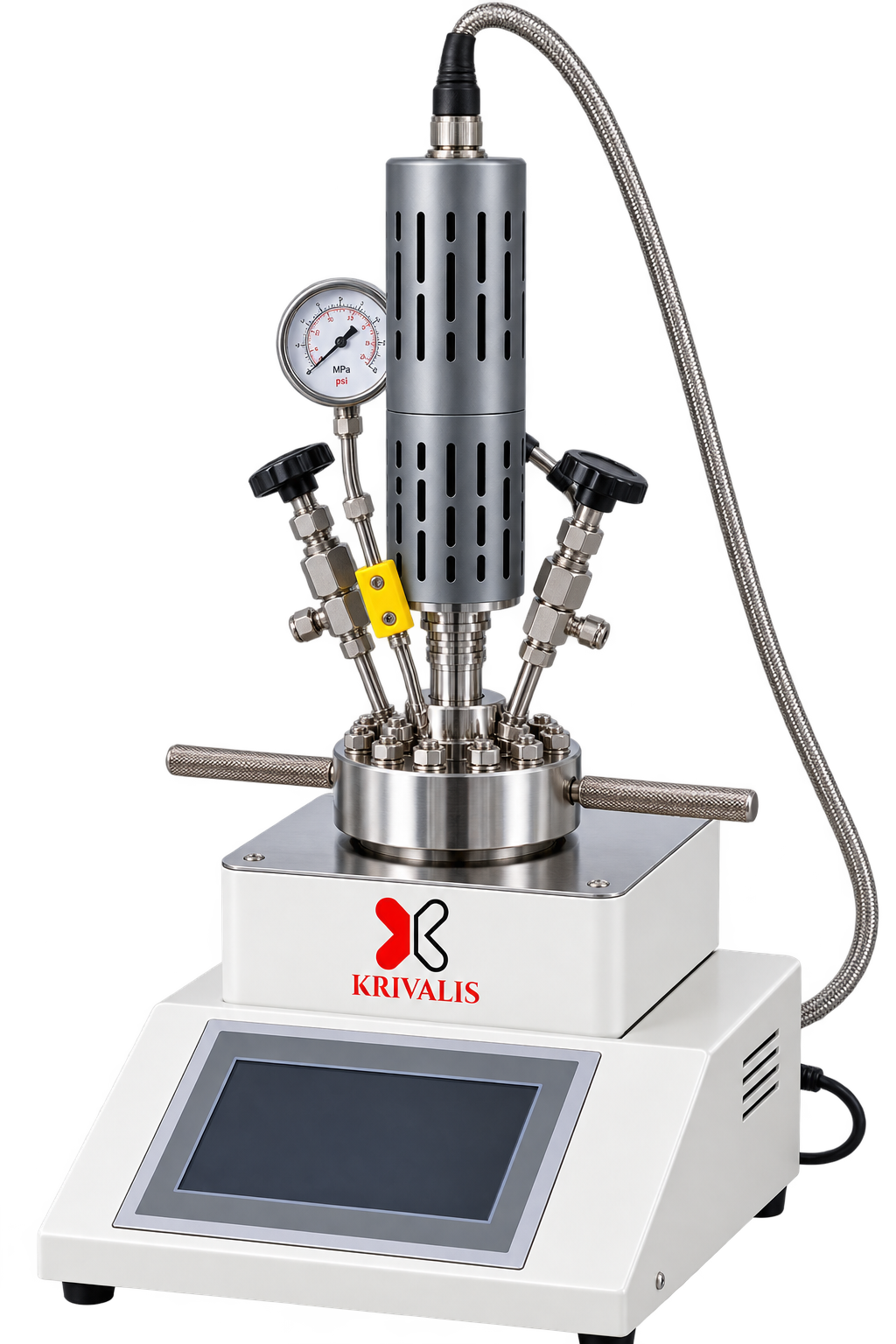
High Pressure Reactor - Benchtop Scale
High Pressure Reactor - Benchtop Scale for controlled high-pressure synthesis, catalysis, hydrogenation, materials research, and process development.
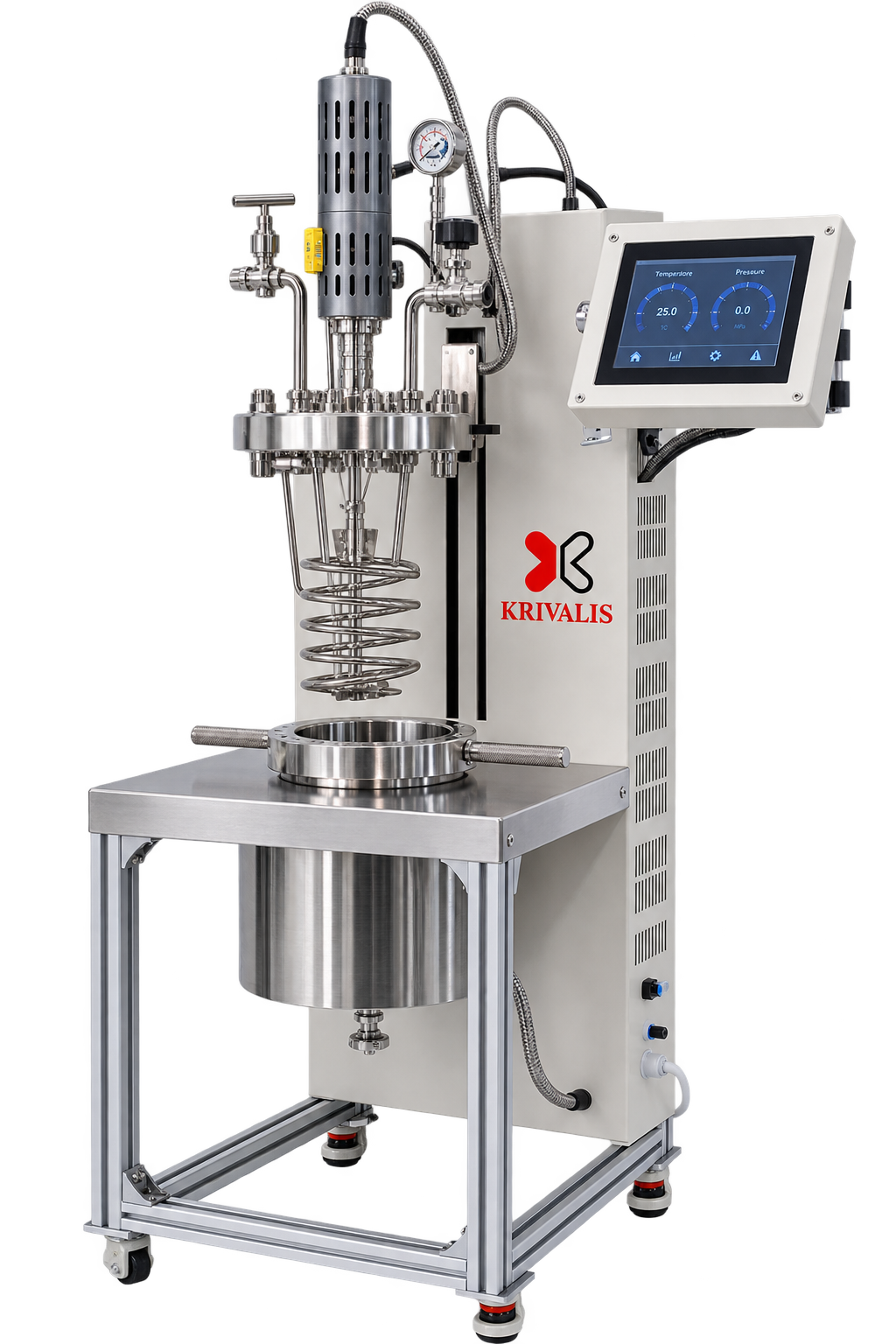
High Pressure Reactor - Lab Scale
High Pressure Reactor - Lab Scale for controlled high-pressure synthesis, catalysis, hydrogenation, materials research, and process development.
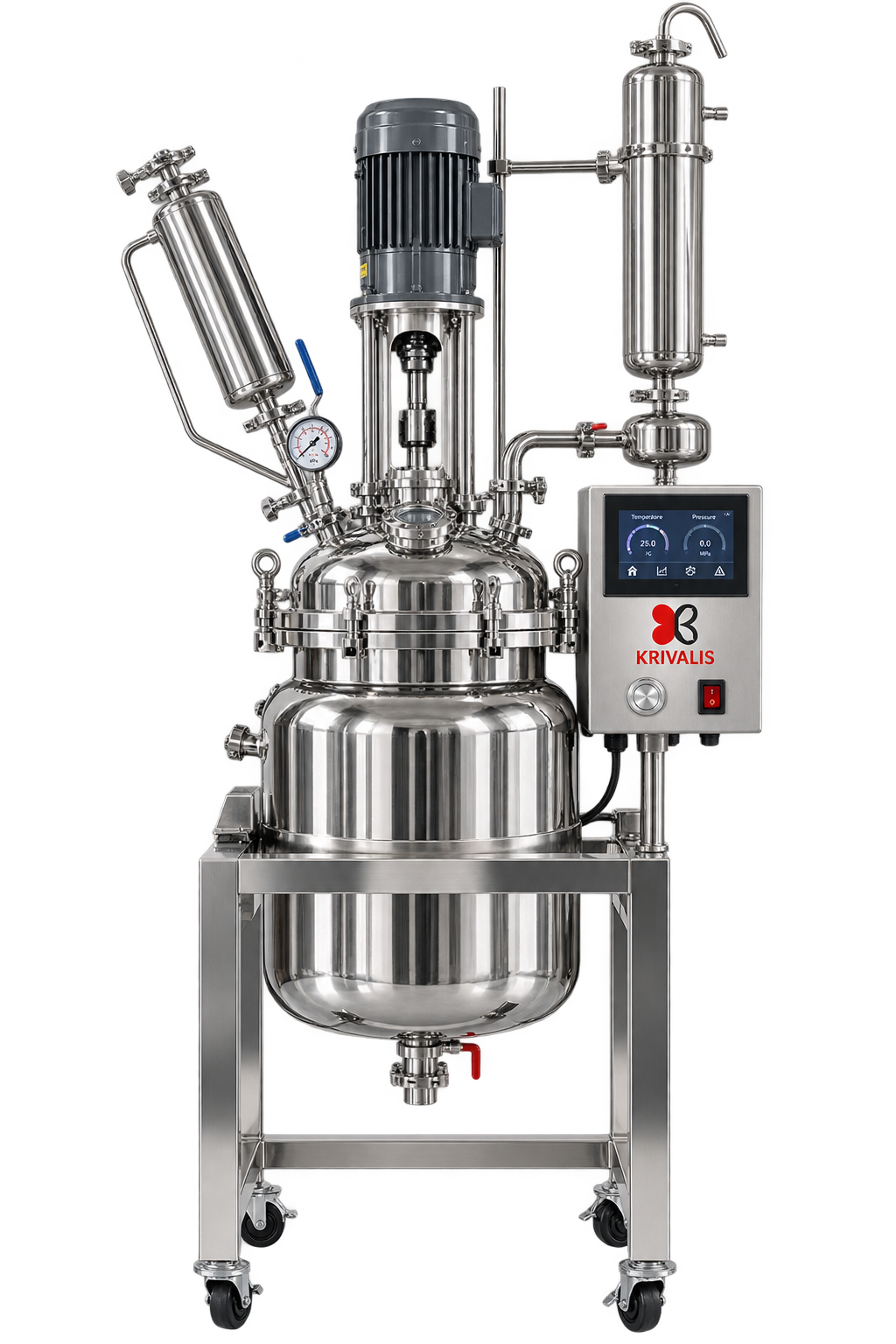
High Pressure Reactor - Pilot Scale
High Pressure Reactor - Pilot Scale for controlled high-pressure synthesis, catalysis, hydrogenation, materials research, and process development.
Glass Pressure Reactor - Quartz
Glass Pressure Reactor - Quartz for controlled high-pressure synthesis, catalysis, hydrogenation, materials research, and process development.