Buying Guides for Laboratory & Process Equipment
Fifteen selection guides covering reactors, furnaces, flow control, analytical instruments, sterilisation, environmental monitoring and consumables — written for the person who has to specify the equipment and defend the choice.
Each guide explains the trade-offs rather than listing specifications: which material survives your chemistry, how to size a vessel or a chamber, what the pressure and temperature limits really mean, and what the equipment will consume over its life. Once you know the category, the brochure library has the specification for every model.
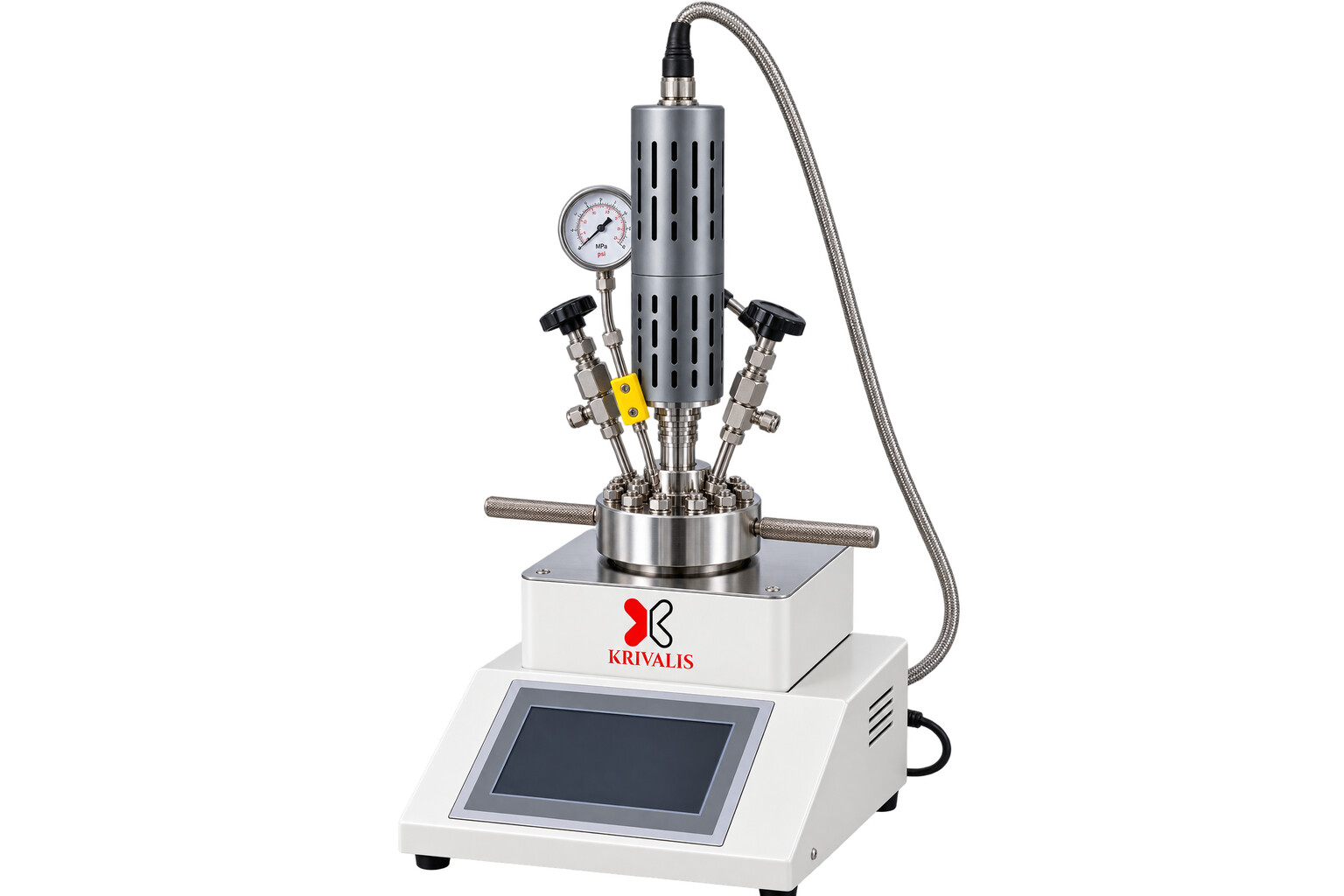
How to Select the Right High Pressure Reactor
A comprehensive guide covering material selection, pressure ratings, volume capacity, and automation features for high pressure reactors.
Read Guide →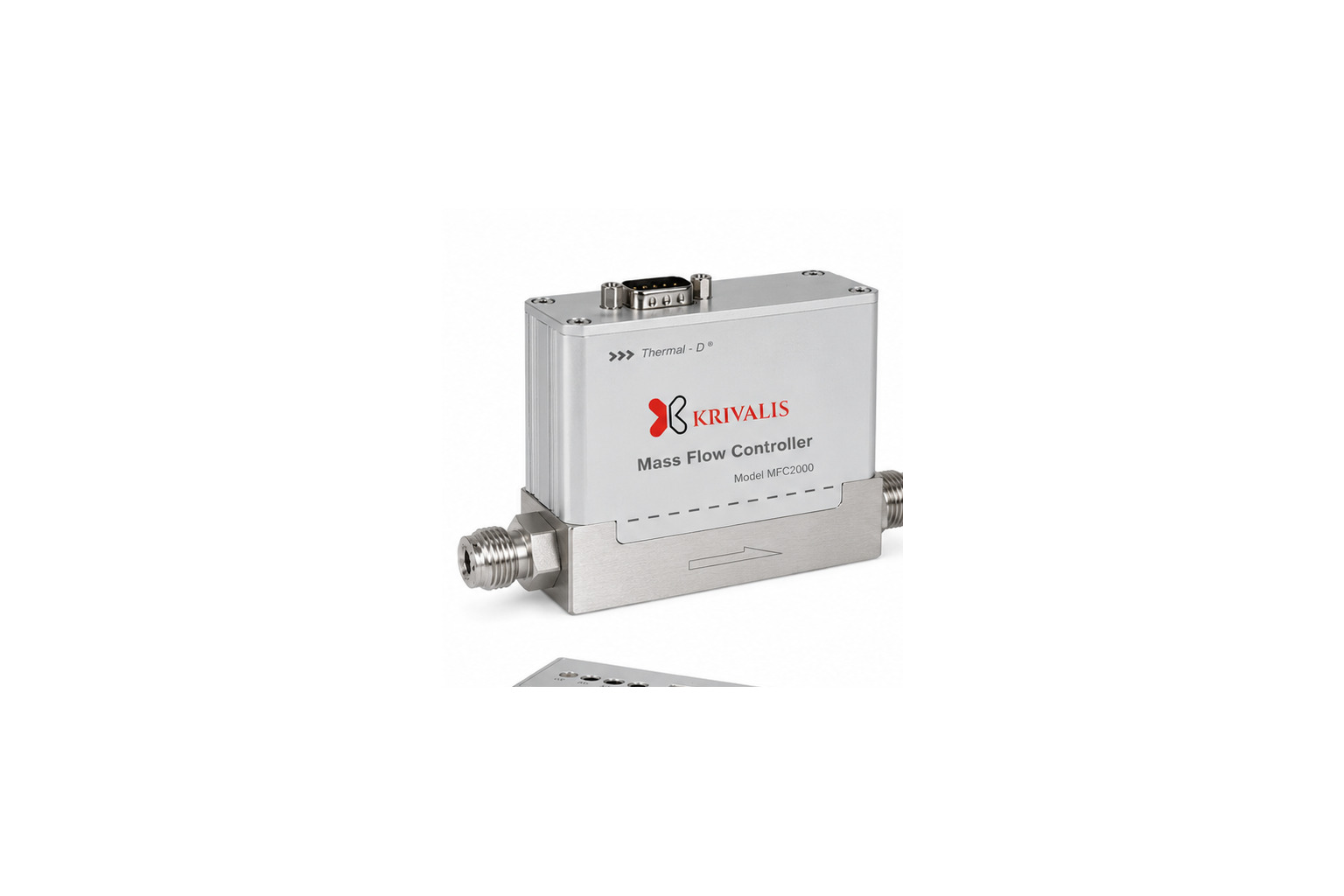
Mass Flow Controller Selection Guide
Learn about accuracy, response time, gas compatibility, and communication protocols to choose the best MFC for your application.
Read Guide →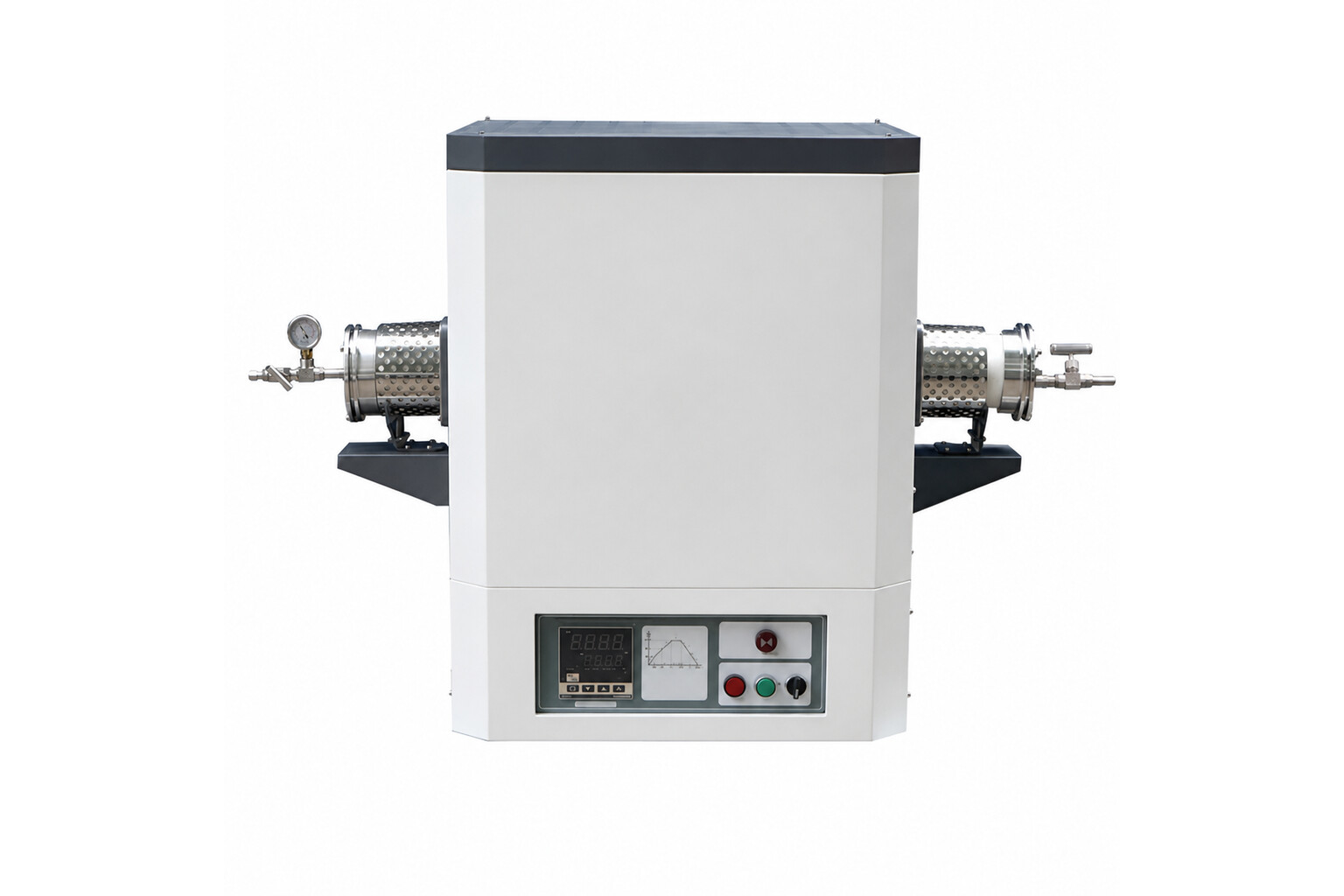
Laboratory Furnace Buying Guide
Compare chamber, tube, and bottom loading furnaces. Understand heating elements, temperature uniformity, and atmosphere control.
Read Guide →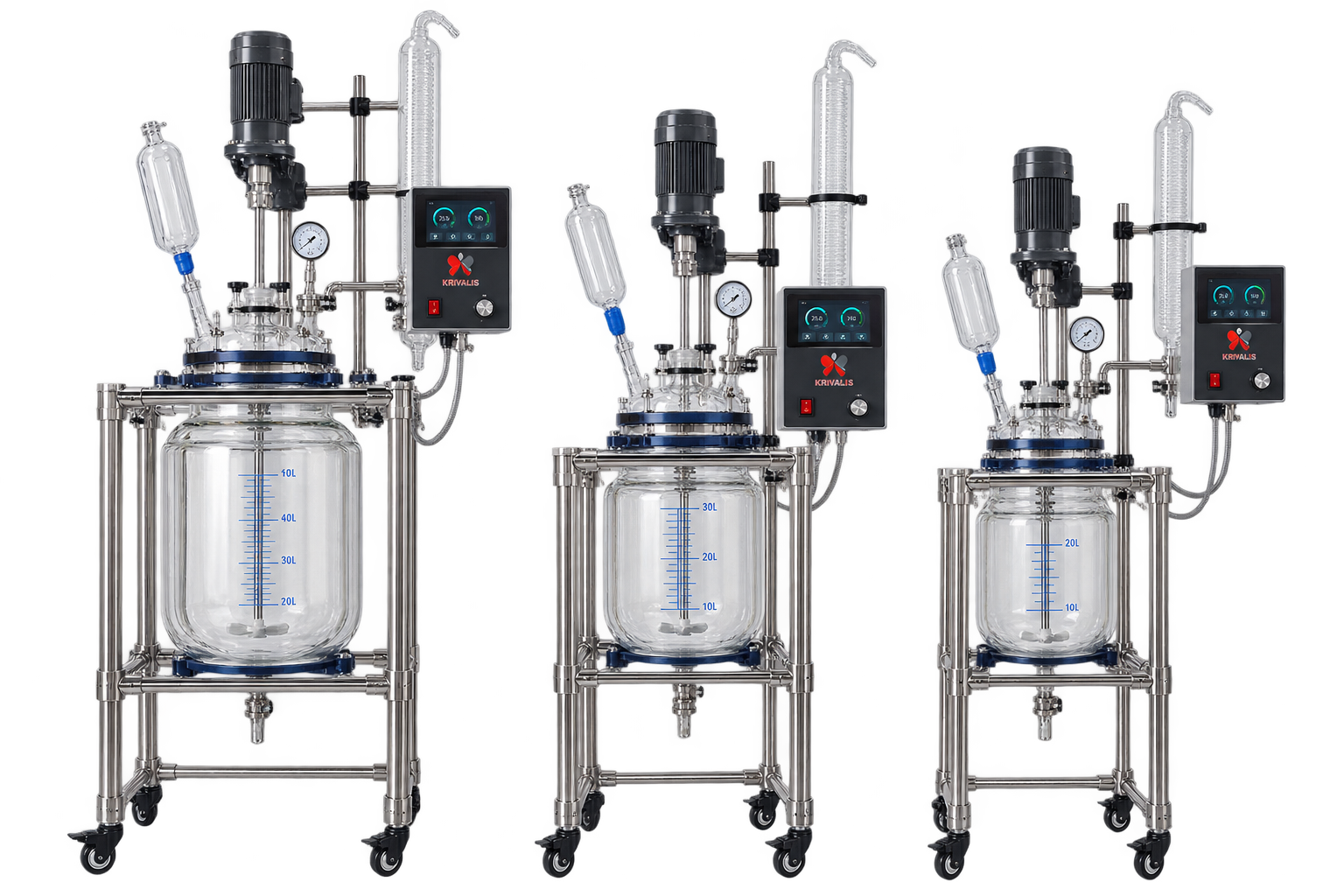
Borosilicate Glass Reactor Buying Guide
Choose a borosilicate 3.3 reactor with confidence: chemistry limits, the 10 bar / 220 C envelope, volume sizing, jacketing, lid ports, stirring, reflux and safe operation from 1 L to 100 L.
Read Guide →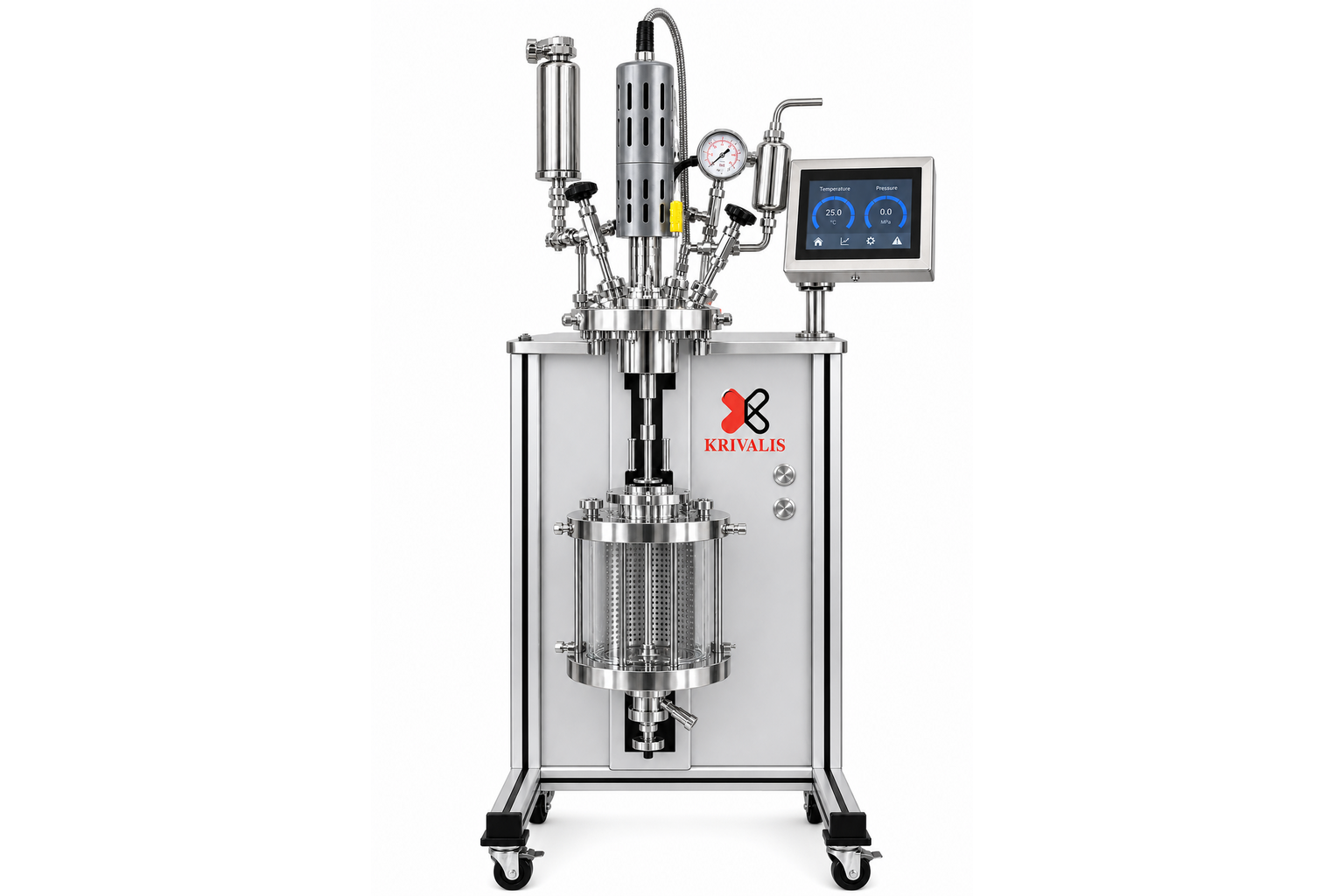
Quartz Glass Reactor Buying Guide
When to specify quartz: deep-UV transmission, chemical purity, the 100 bar limit, seal assembly and handling practice for reactors from 25 ml to 1000 ml.
Read Guide →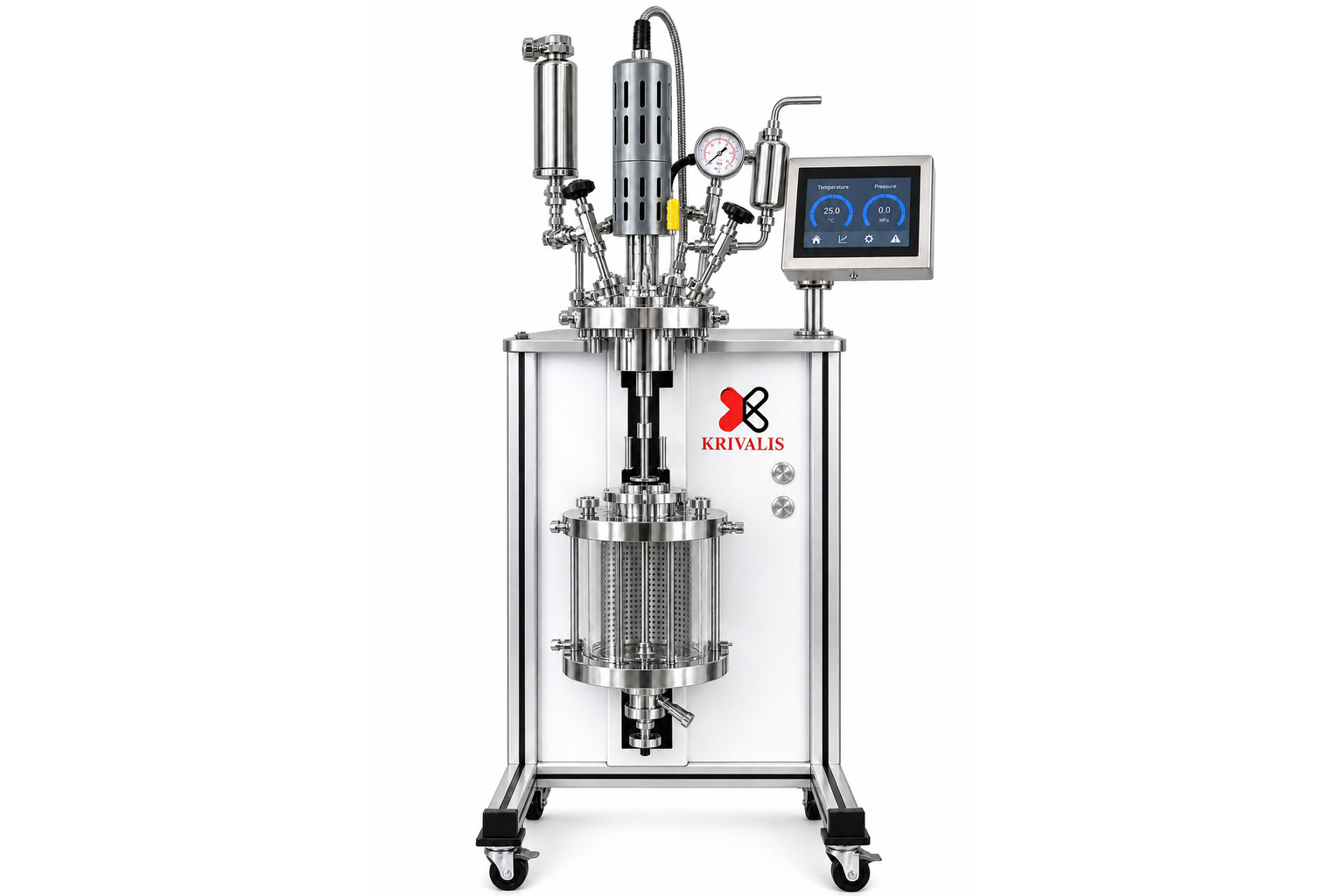
Sapphire Glass Reactor Buying Guide
Sapphire reaches 200 bar with the widest optical window of any transparent reactor. Covers transmission, chemical resistance, sealing, applications and how it compares with quartz and borosilicate.
Read Guide →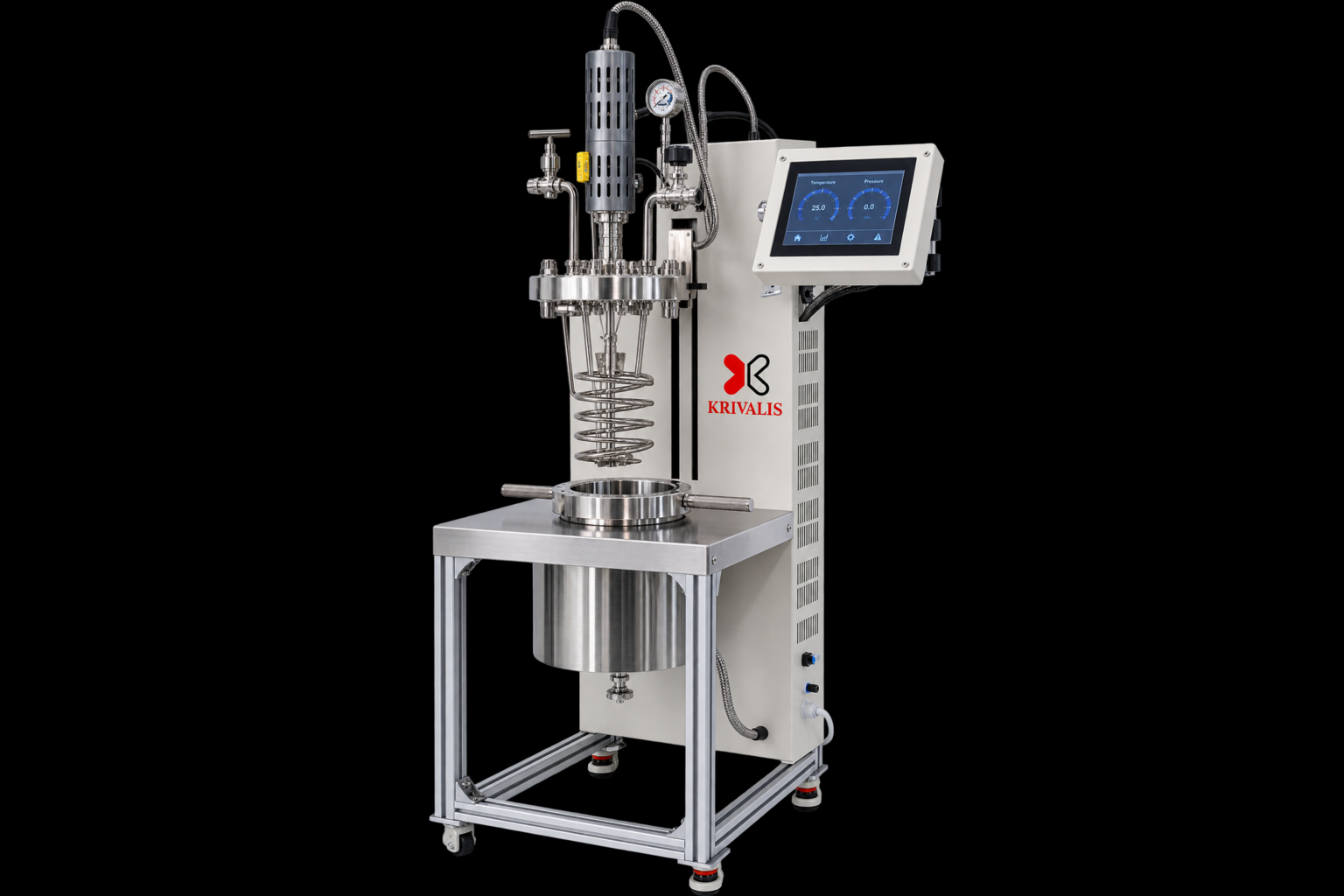
Fixed Bed Tubular Reactor Buying Guide
Specify a fixed bed tubular reactor properly: residence time and space velocity, bed geometry and channeling, heat transfer and hot spots, pressure drop, catalyst activation and the instrumentation that makes data usable.
Read Guide →
Analytical Instrument Buying Guide: Balances, Spectrophotometers & pH
How to specify the QC bench: minimum weight and calibration for balances, bandwidth and stray light for spectrophotometers, electrode and meter choice for pH and conductivity. Includes the documentation a regulated laboratory should request.
Read Guide →
Autoclave & Steam Sterilizer Buying Guide
Choose a sterilizer by load, not by litre: Class B, Class N and Class S explained, chamber sizing from your daily cycle count, validation tests, water and drainage, records and the service arrangements that keep a sterilizer trustworthy.
Read Guide →
Flow Monitoring & Gas Detection Instruments Buying Guide
Specify flow meters and gas detectors by gas, range, turndown and alarm logic. Covers meter technologies, calibration, detector placement, sensor cross-sensitivity, and why the alarm output matters more than the display.
Read Guide →
Environmental Monitoring Instruments Buying Guide
Air, water and soil monitoring specified by the standard you must satisfy: reference versus indicative methods, particulate sizing and humidity effects, gas analyser selectivity, sampling and siting, and the data capture needed for compliance.
Read Guide →
Laboratory Consumables & Spare Parts Buying Guide
How to specify and stock the parts that stop equipment: gasket materials and when each fails, seal selection, rupture discs, thermocouples, filters and calibration standards — plus the register that turns guesswork into planning.
Read Guide →
General Laboratory Equipment Buying Guide: Microscopes, Centrifuges & Stirrers
Specify the everyday instruments properly: microscope optics and contrast methods, centrifuge RCF and rotor choice, stirrer and hotplate safety, and the ergonomics and service arrangements that decide whether a shared instrument survives daily use.
Read Guide →
Pilot Scale-Up Buying Guide: From Lab Reactor to Pilot Plant
How to specify a pilot reactor from lab data: heat removal per unit volume, mixing and mass transfer, agitation and seal choice, containment and relief sizing, instrumentation and the control strategy that makes campaigns reproducible.
Read Guide →
Tube Furnace Buying Guide: Split, Rotary and CVD
Choose the right tube furnace configuration, zone count and tube material for your atmosphere and process: split and vertical bodies, rotary drums for powders, CVD and PECVD requirements, seals, gas flow and commissioning checks.
Read Guide →