Hydrogenation is one of the most important reaction processes in chemical, pharmaceutical, petrochemical and materials research. It is widely used in organic synthesis, catalyst development, fine chemical production and process development.
Successful hydrogenation depends on careful control of several process variables. Hydrogen pressure, temperature, catalyst performance, agitation and gas-liquid mass transfer can all influence reaction rate, selectivity and reproducibility.
Selecting the right reactor system is therefore an important part of developing a reliable hydrogenation process. A properly configured high-pressure reactor provides researchers with the control and flexibility needed to investigate reaction conditions safely and systematically.
Why Hydrogenation Requires a Specialised Reactor System
Hydrogen is commonly introduced into the reaction system under pressure. The reactor must therefore provide suitable pressure containment while allowing accurate control of temperature and mixing.
Many hydrogenation processes involve a solid catalyst suspended in a liquid reaction medium. Hydrogen must transfer efficiently from the gas phase into the liquid and reach the catalyst surface. Poor mixing or inadequate gas-liquid contact can limit reaction performance and lead to inconsistent results.
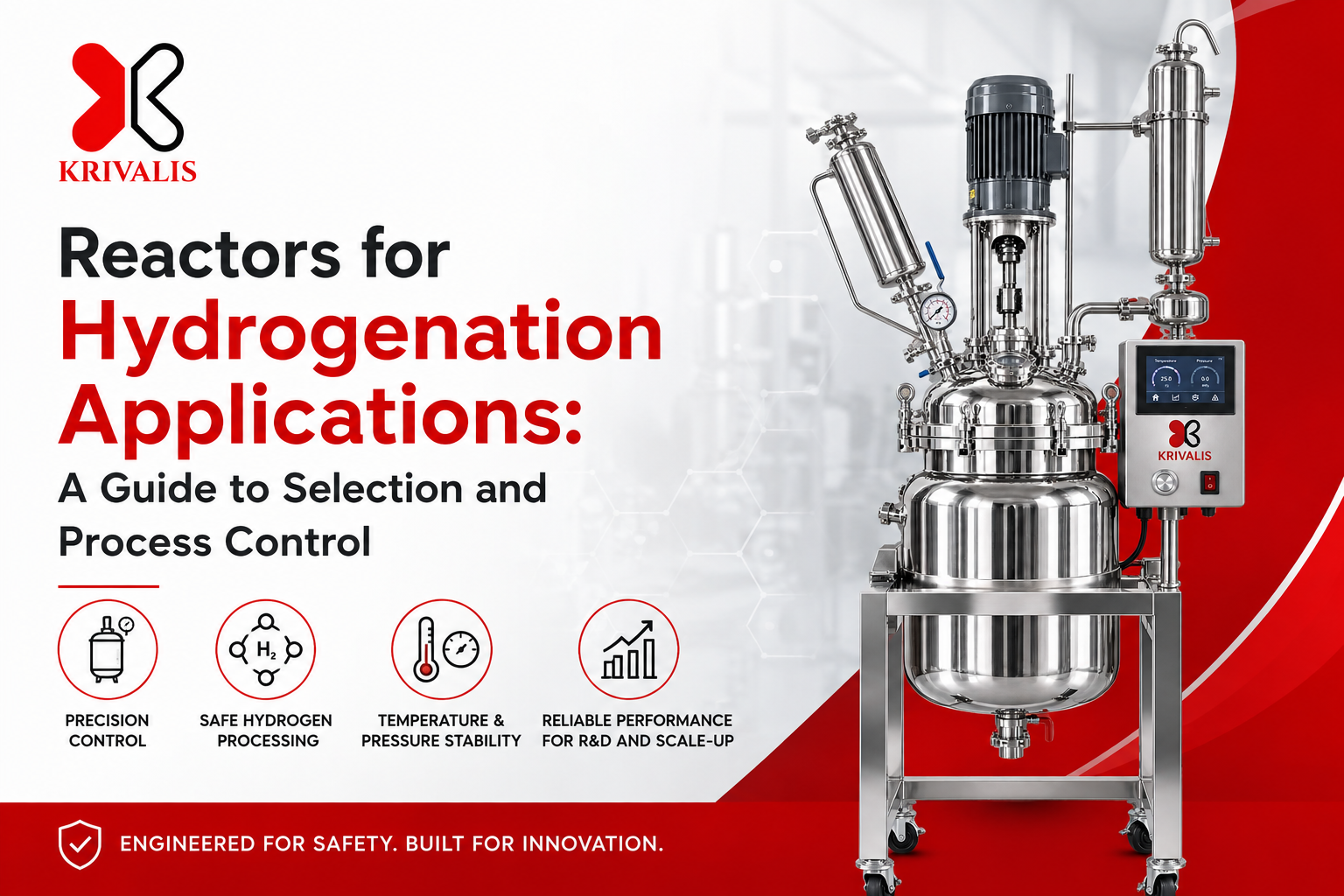
A suitable hydrogenation reactor combines pressure capability, efficient agitation, temperature control and reliable instrumentation into an integrated system.
Key Factors When Selecting a Hydrogenation Reactor
- Operating pressure: Select the reactor according to the maximum pressure required for the process and the design requirements of the complete system.
- Operating temperature: Accurate temperature measurement and control are important for temperature-sensitive and exothermic reactions.
- Reactor volume: Small-volume reactors are useful for catalyst screening, while larger laboratory and pilot-scale systems can support process development and scale-up studies.
- Material of construction: Wetted materials should be compatible with the reactants, solvents, catalysts and products used in the process.
- Mixing system: Efficient agitation helps maintain catalyst suspension and improve gas-liquid mass transfer.
- Instrumentation: Pressure sensors, temperature probes and gas flow control can improve process visibility and repeatability.
The Importance of Pressure Control
Hydrogen pressure affects the amount of hydrogen available within the reaction system. Maintaining stable and accurately measured pressure is important when comparing catalysts, studying reaction kinetics or reproducing an established process.
A hydrogenation reactor can incorporate pressure gauges, pressure transmitters, control valves and other instrumentation to monitor operating conditions. Depending on the application, the system may also be configured for controlled gas charging or continuous gas delivery.
For research applications, accurate pressure data can provide valuable insight into reaction behaviour and hydrogen consumption during an experiment.
Agitation and Gas-Liquid Mass Transfer
Efficient mixing is one of the most important considerations in hydrogenation reactor design. In a typical gas-liquid-solid hydrogenation process, hydrogen must dissolve into the liquid phase and reach the catalyst surface.
The efficiency of this process depends on agitation speed, impeller design, reactor geometry, liquid volume and catalyst characteristics.
A mechanical stirring system with variable speed control allows researchers to adjust mixing intensity according to the requirements of the reaction and investigate the influence of agitation on reaction performance.
Temperature Management
Many hydrogenation reactions release heat. Without effective temperature monitoring and control, changes in temperature can influence reaction rate, product selectivity and overall process stability.
A reactor system may require heating, cooling or a combination of both depending on the application. Accurate temperature sensing and responsive control help maintain stable operating conditions throughout the experiment.
Hydrogen Delivery and Gas Flow Management
The method used to introduce hydrogen depends on the experimental objective. In a batch experiment, hydrogen may be charged to a predetermined pressure. More advanced systems can incorporate controlled gas delivery, pressure regulation and flow measurement.
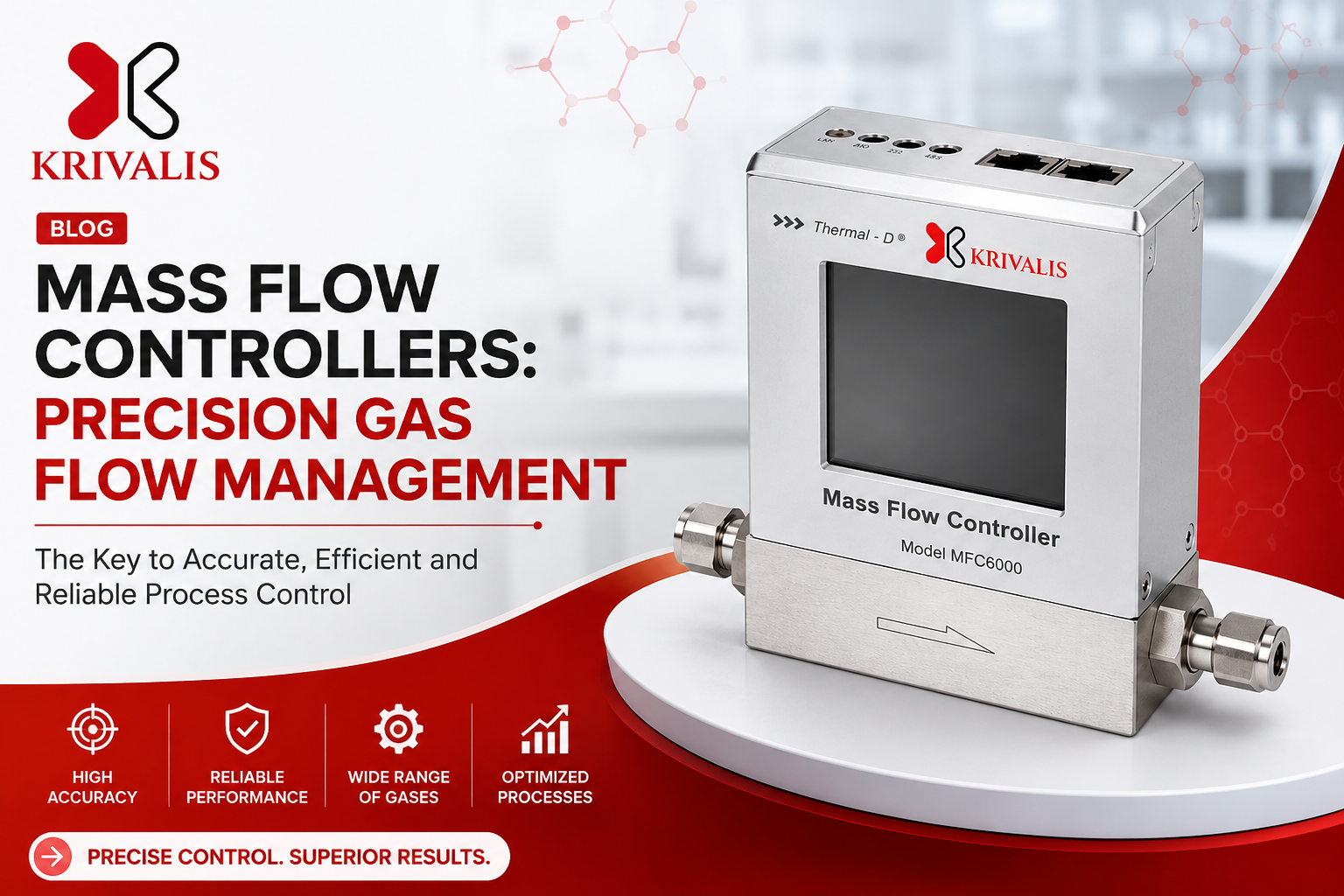
Mass flow controllers can provide additional control where accurate and repeatable gas delivery is required. They can be useful for controlled hydrogen feed rates, reaction studies and automated process sequences.
Choosing the Right Reactor Scale
- Small-scale reactors: Suitable for catalyst screening and reaction scouting.
- Laboratory-scale reactors: Designed for reaction optimisation, detailed process studies and reproducible experimental work.
- Pilot-scale reactors: Useful for evaluating mixing, heat transfer and process behaviour at larger volumes.
- Parallel reactor systems: Can support simultaneous evaluation of multiple catalysts or reaction conditions.
Material Selection and Chemical Compatibility
The choice of reactor material depends on the chemicals involved and the intended operating conditions. Stainless steel is widely used for many high-pressure applications, while more demanding environments may require specialised corrosion-resistant alloys.
Compatibility should be considered for all wetted components, including the reactor vessel, valves, fittings and seals.
Safety Considerations
Hydrogen is highly flammable, and hydrogenation systems should be designed and operated with appropriate attention to pressure containment, gas handling and laboratory safety.
The reactor and associated components should be suitable for the intended operating conditions. Pressure monitoring, isolation, controlled venting and appropriate pressure relief provisions should be considered as part of the overall system design.
Operating procedures and installation practices should always be developed according to the specific process, equipment configuration and applicable safety requirements.
From Catalyst Screening to Process Development
Hydrogenation research often progresses through several stages. Initial experiments may focus on identifying suitable catalysts or reaction conditions. Later work may investigate reaction kinetics, mass transfer, temperature control and scale-up behaviour.
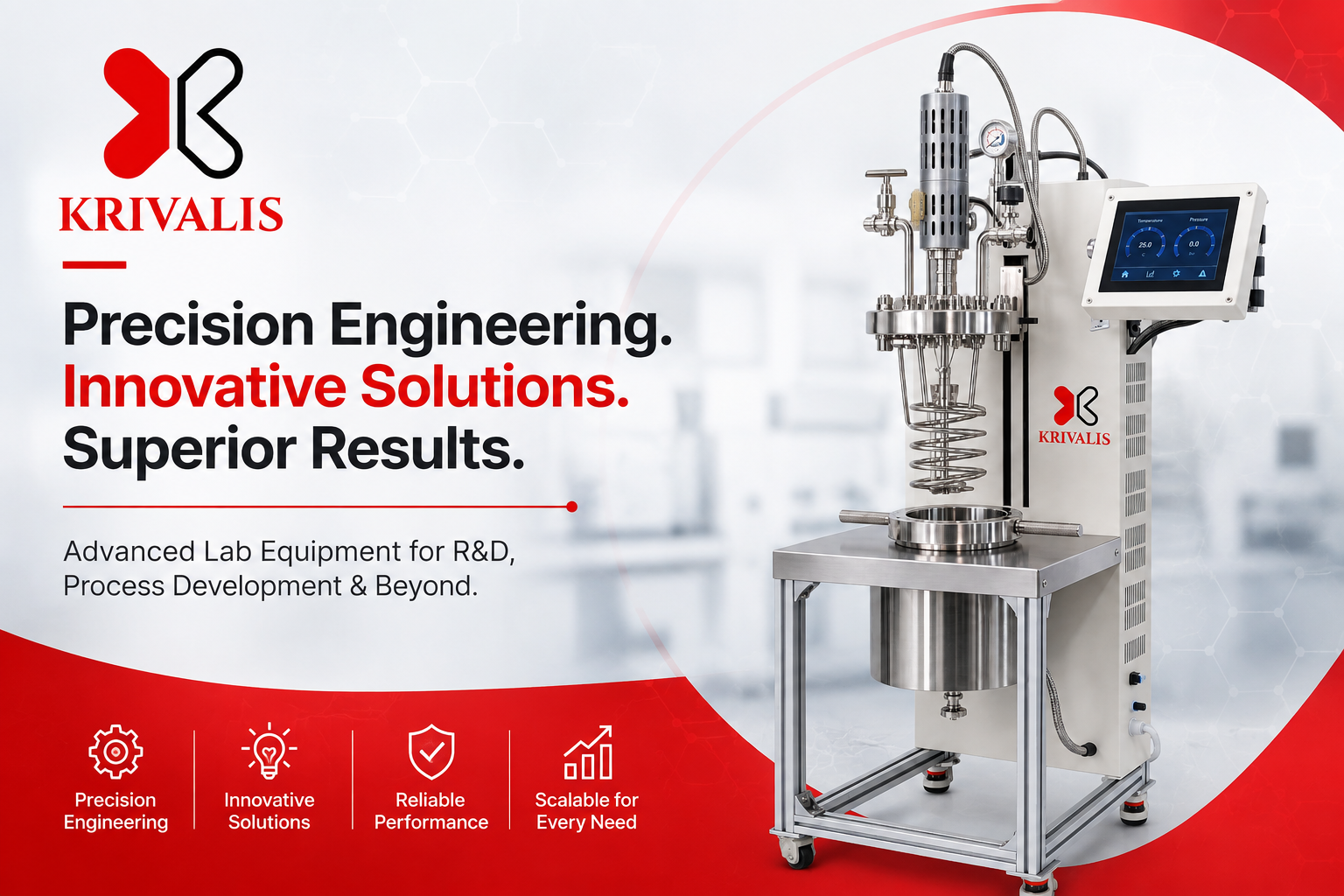
A modular reactor platform can provide flexibility throughout this development process. Depending on the application, the system may be configured with different reactor volumes, vessel materials, stirring arrangements, heating and cooling systems, pressure monitoring and gas handling components.
Conclusion
Hydrogenation applications require reliable control of several closely connected process parameters. Pressure, temperature, agitation and hydrogen delivery all contribute to the quality and reproducibility of experimental results.
A properly configured high-pressure reactor gives researchers the flexibility to investigate these parameters systematically and develop a better understanding of their process.
Krivalis offers high-pressure reactor solutions across benchtop, laboratory and pilot scales, with configurations for catalysis, hydrogenation, process development and advanced R&D. Reactor systems can be configured with appropriate vessel materials, stirring systems, temperature control, pressure monitoring and gas handling components to meet specific application requirements.