
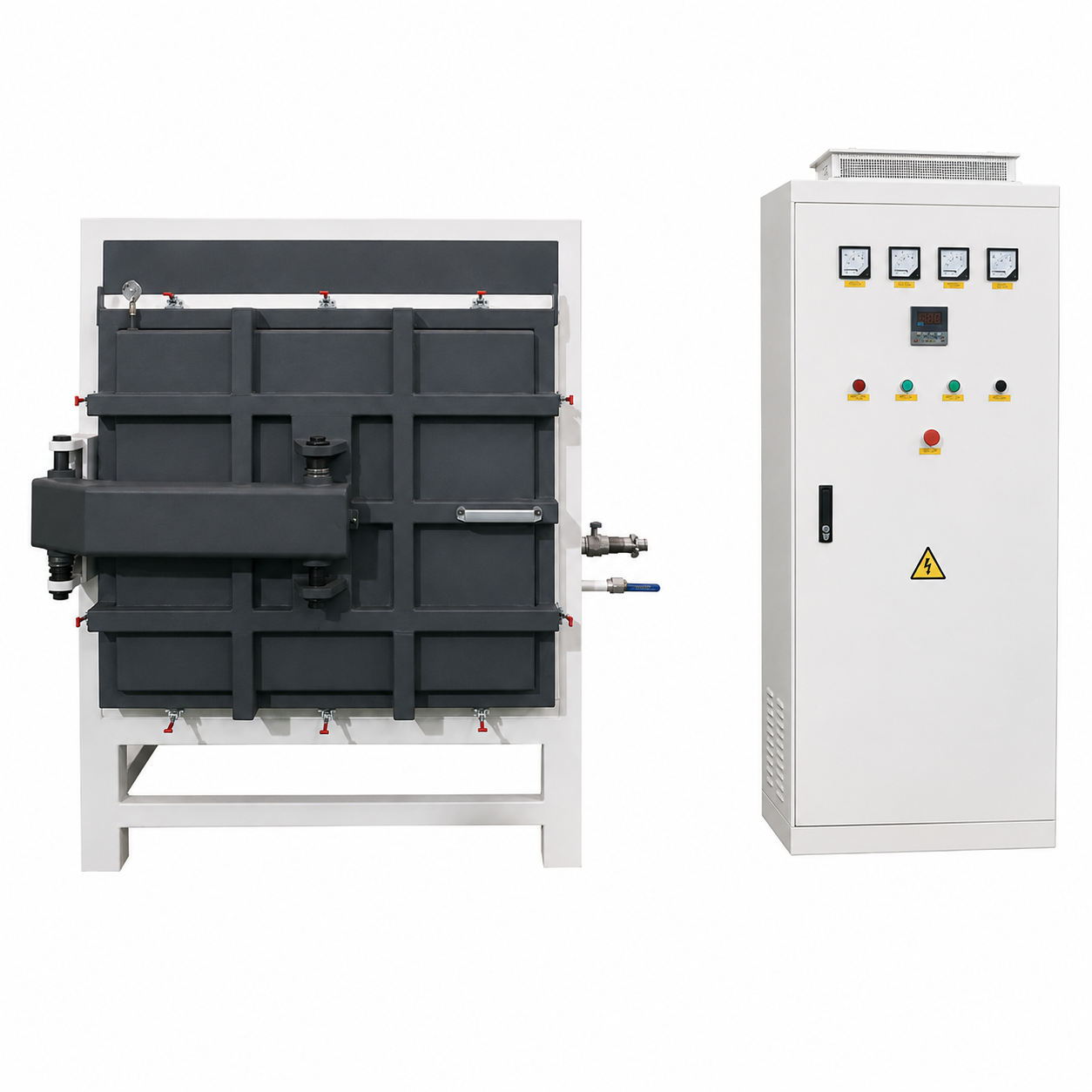
Low Vacuum Atmosphere Furnace
Category: High Temperature Furnaces
Low Vacuum Atmosphere Furnace delivers programmable thermal processing for heat treatment, calcination, sintering, and research.
Technical Specifications
| Temperature Options | 1200°C, 1400°C, 1700°C (selectable) |
| Chamber Volume Range | 8L to 64L (custom) |
| Heating Element | HRE, SiC, or MoSi2 (depending on temp) |
| Chamber Material | Alumina ceramic fiber |
| Vacuum Degree | ≤20,000 Pa |
| Temperature Precision | ±1°C |
| Thermocouple | N, S, or B type |
| Controller | Microprocessor PID (programmable) |
| Gas System | Inlet/outlet ports, vacuum port |
| Power Supply | 220V or 380V (3–18KW) |
| Safety | Overheat, thermocouple‑break, and explosion prevention |
📌 Applications
- calcination
- sintering
- annealing
- heat treatment
- ceramics
- battery materials
🏭 Industries
- materials
- metals
- ceramics
- batteries
- pharmaceuticals
- academia
⚙️ Use Cases
- powder processing
- catalyst treatment
- thermal cycling
- materials development
✅ Advantages
programmable temperature control and configurable heating versus basic laboratory furnaces
Prices are project-specific: materials, size and instrumentation change the configuration. Send your operating conditions and we will reply with a technical proposal — sales@krivalis.com · +91-74000-43303.
Downloads for the Low Vacuum Atmosphere Furnace
Take the specification with you: the PDF brochure, the full range brochure, and the buying guide that explains how this equipment is selected.
Low Vacuum Atmosphere Furnace
Overview, applications, technical specifications and the enquiry checklist in one PDF.
Laboratory & Industrial Furnaces
Laboratory and industrial furnaces from 1200 C to 1700 C with HRE, SiC and MoSi2 elements, single to three-zone control and atmosphere options.
Laboratory Furnace Buying Guide
How to choose between materials, sizes, pressure classes and control options — with the trade-offs explained.
Low Vacuum Atmosphere Furnace — questions and answers
What is the Low Vacuum Atmosphere Furnace used for?
Low Vacuum Atmosphere Furnace delivers programmable thermal processing for heat treatment, calcination, sintering, and research. Typical applications include calcination, sintering, annealing, heat treatment, ceramics, battery materials.
What are the key specifications of the Low Vacuum Atmosphere Furnace?
Heating Element: HRE, SiC, or MoSi2 (depending on temp). Full specifications and configuration options are confirmed on the quotation.
Which industries use the Low Vacuum Atmosphere Furnace?
It is used in materials, metals, ceramics, batteries, pharmaceuticals, academia. Krivalis supplies this equipment to laboratories, universities and manufacturers in India and more than 120 countries.
How do I get a price for the Low Vacuum Atmosphere Furnace?
Send your application details, operating conditions and any compliance requirement to sales@krivalis.com or call +91-74000-43303. Krivalis replies with a technical proposal and a formal quotation; prices are project-specific because materials, sizes and instrumentation vary.
Is there a downloadable brochure for the Low Vacuum Atmosphere Furnace?
Yes. A PDF brochure with the overview, typical applications, technical specifications and enquiry checklist is available on this page and in the Krivalis brochure library.
Browse the full High Temperature Furnaces range, or see all brochures for downloadable specifications.
Related High Temperature Furnaces
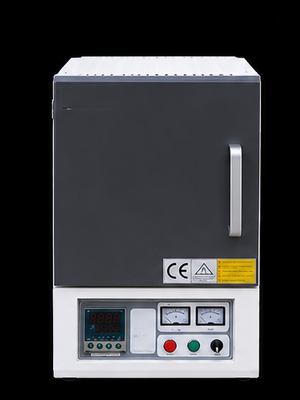
Chamber Muffle Furnace – 1200°C
Chamber Muffle Furnace – 1200°C delivers programmable thermal processing for heat treatment, calcination, sintering, and research.
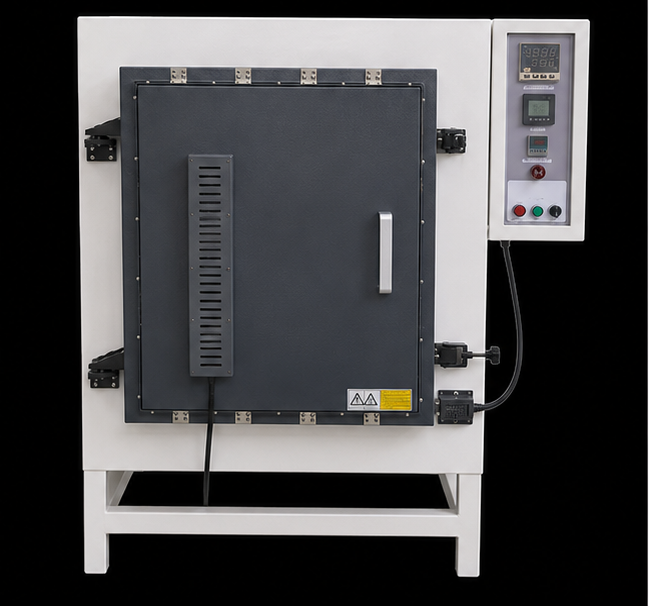
Chamber Muffle Furnace – 1400°C
Chamber Muffle Furnace – 1400°C delivers programmable thermal processing for heat treatment, calcination, sintering, and research.
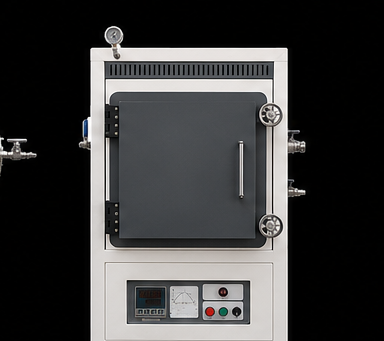
Chamber Muffle Furnace – 1700°C
Chamber Muffle Furnace – 1700°C delivers programmable thermal processing for heat treatment, calcination, sintering, and research.
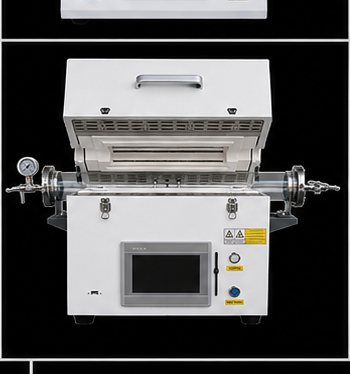
Single Zone Tube Furnace – 1200°C (Split Type)
Single Zone Tube Furnace – 1200°C (Split Type) delivers programmable thermal processing for heat treatment, calcination, sintering, and research.